Renovating a condo unit involves more rules than many owners expect. If you are planning a condo renovation Singapore project, the budget is only part of the picture — MCST regulations, approved hours, and building constraints shape both cost and timeline.
A realistic plan accounts for what the management corporation allows, how materials move through a shared building, and how wet-area and structural rules apply, on top of the design itself.
What drives condo renovation cost
The biggest cost drivers are scope (cosmetic refresh versus full strip-out), wet-area works and waterproofing, carpentry volume, the finishes you choose, and any electrical or plumbing reconfiguration. Hacking, disposal, and protection of common areas also add up, especially in higher-floor units where material movement is slower.
Choosing a balanced specification early — rather than upgrading mid-project — is the most effective way to control the final number.
MCST rules you cannot ignore
Most condos require you to submit a renovation application to the MCST, place a renovation deposit, and work only within approved hours. There are usually rules on hacking, wet-area changes, floor loading, noise, and the use of lifts and common corridors. Some structural and waterproofing works need extra approval or supervision.
Working with a contractor who is used to MCST requirements helps avoid stop-work orders and forfeited deposits. Adex handles condo renovation in Singapore and supporting trades such as bathroom waterproofing and electrical services.
A realistic timeline
A cosmetic refresh can take a few weeks, while a full renovation with wet-area hacking, new carpentry, and reconfiguration commonly runs one to a few months depending on scope. Approved-hours restrictions and material lead times often extend timelines more than the construction work itself, so plan procurement early.
Sequencing matters
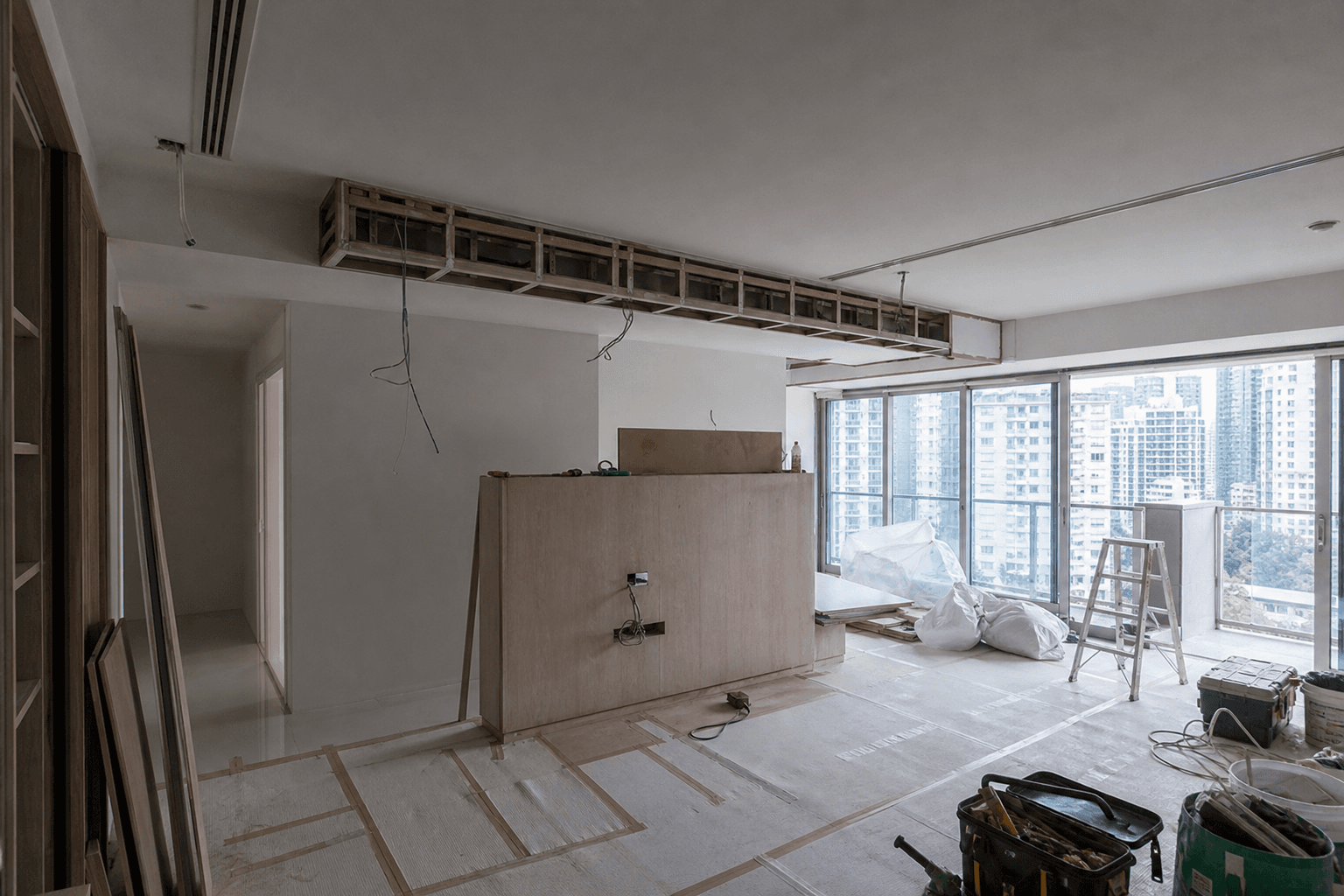
Hacking and protection come first, then wet-area works and waterproofing with testing, followed by electrical and plumbing, ceiling, carpentry, flooring, and finally painting and finishing. Getting waterproofing tested before closing up ceilings or installing carpentry below avoids costly rework.
Bottom line
A successful condo renovation in Singapore balances design, budget, and building rules. Lock your specification early, plan around MCST approvals and approved hours, and sequence wet-area works correctly so the finishes you pay for actually last.
Need a contractor?
Get advice for your project
Send us your property type, photos, and preferred timeline. We'll recommend the next step and prepare a clear quotation.