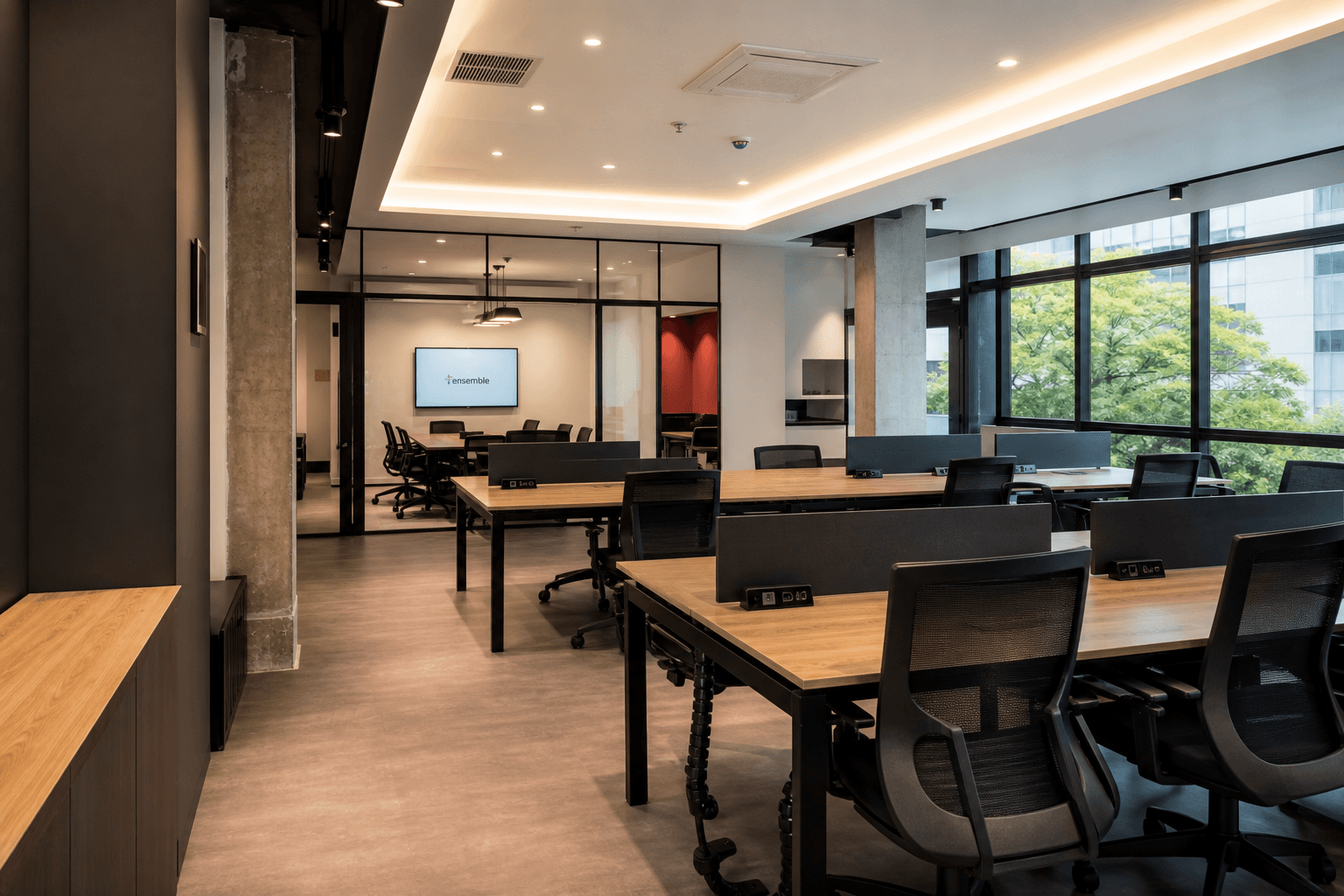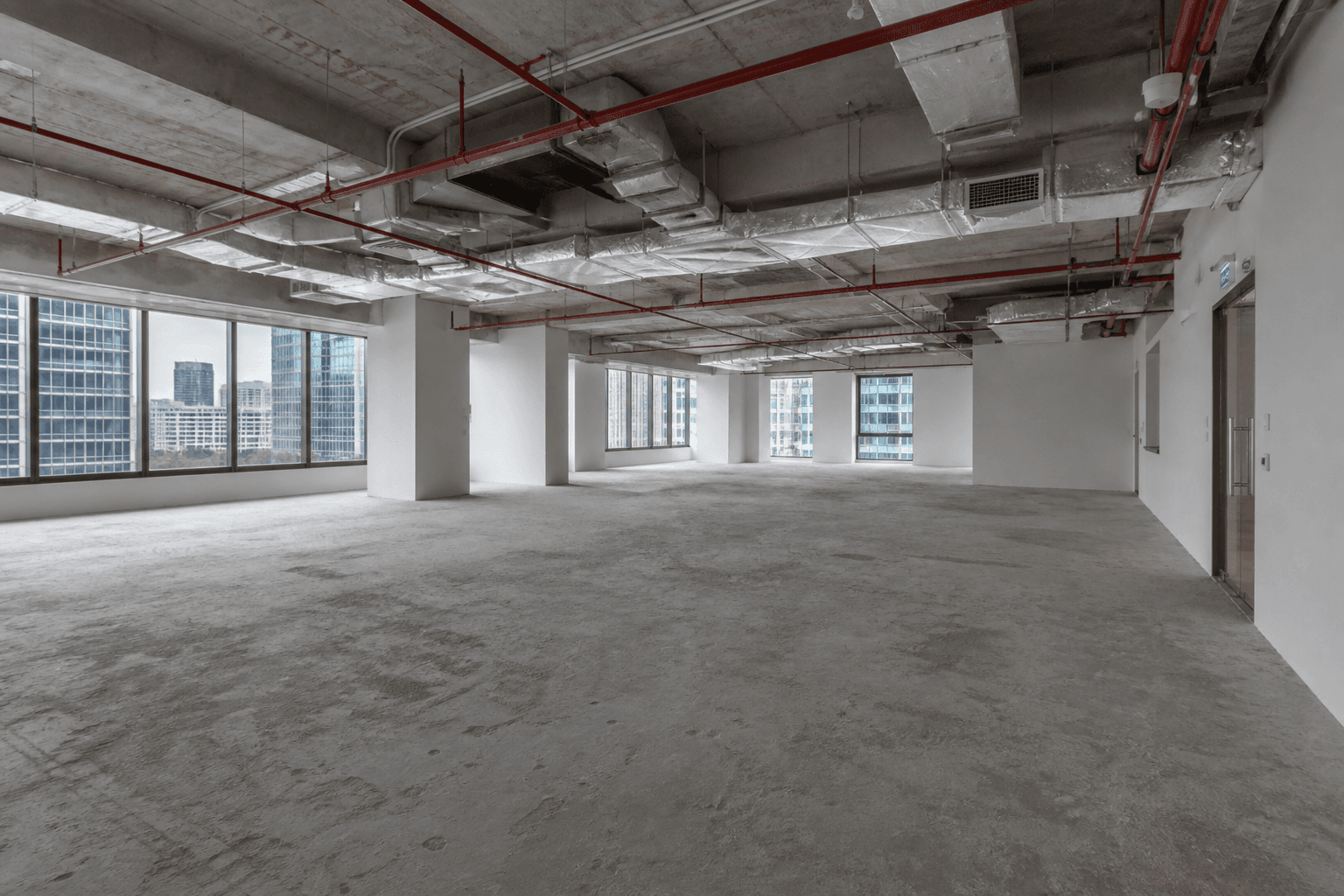
A false ceiling does more than hide wiring — it shapes lighting, conceals air-con trunking, and defines the character of a room. If you are planning false ceiling installation Singapore, the design and material choices affect both the look and the cost more than most people realise.
False ceilings are usually built from a metal frame clad with boards, then finished and painted. The differences in price and performance come from the design complexity, the board material, and how lighting is integrated.
Cove versus L-box and partial designs
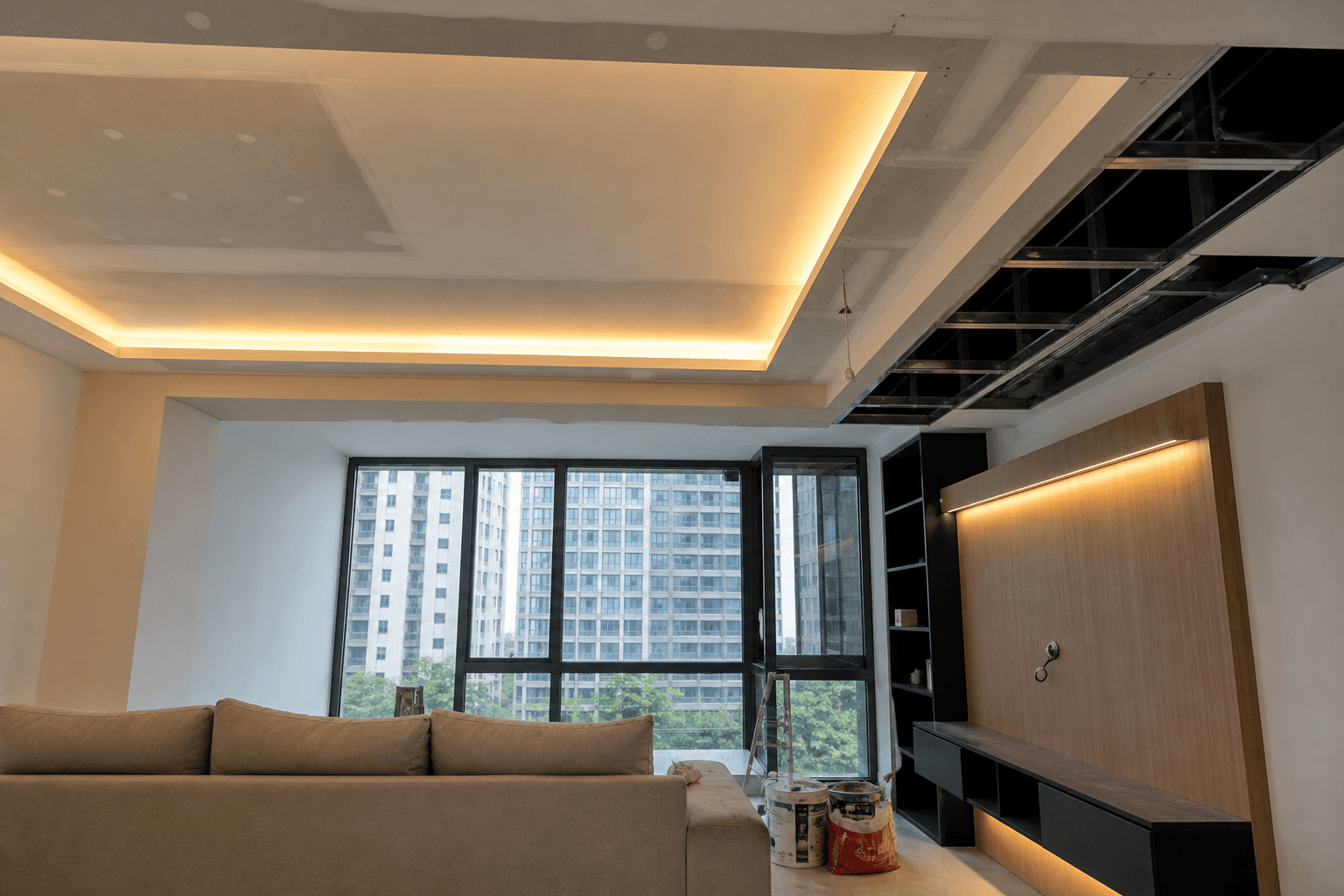
A cove ceiling runs a recessed channel around the perimeter, often with concealed LED strips for indirect lighting. An L-box is a boxed-out section, frequently used to hide air-con trunking or to frame a feature. Partial or feature ceilings cover only part of a room. More edges, curves, and drops mean more labour and a higher cost.
Plasterboard versus calcium silicate board
Plasterboard (gypsum) is common and cost-effective for dry areas. Calcium silicate board is more moisture- and fire-resistant, which makes it the safer choice near wet areas, kitchens, and service zones. Choosing the right board for the location avoids sagging and moisture damage later.
Adex handles false ceiling installation in Singapore and coordinates it with electrical services and painting services so lighting and finishes line up.
Plan lighting before the frame goes up
Downlights, cove strips, and any feature lighting should be planned before the ceiling is built, because the frame and openings are set out around them. Retrofitting lights after the boards are closed is messy and avoidable. Coordinate electrical rough-in with the ceiling work.
What drives the cost
Cost depends on the ceiling area, design complexity (coves, drops, curves), board material, the number of light points, and whether air-con trunking must be boxed in. A simple perimeter cove is far cheaper than a multi-level feature ceiling with integrated lighting.
Bottom line
False ceiling installation in Singapore is a design and coordination exercise as much as a construction one. Match the board to the location, plan lighting before the frame, and let the design complexity — not just the area — guide your budget.
Need a contractor?
Get advice for your project
Send us your property type, photos, and preferred timeline. We'll recommend the next step and prepare a clear quotation.