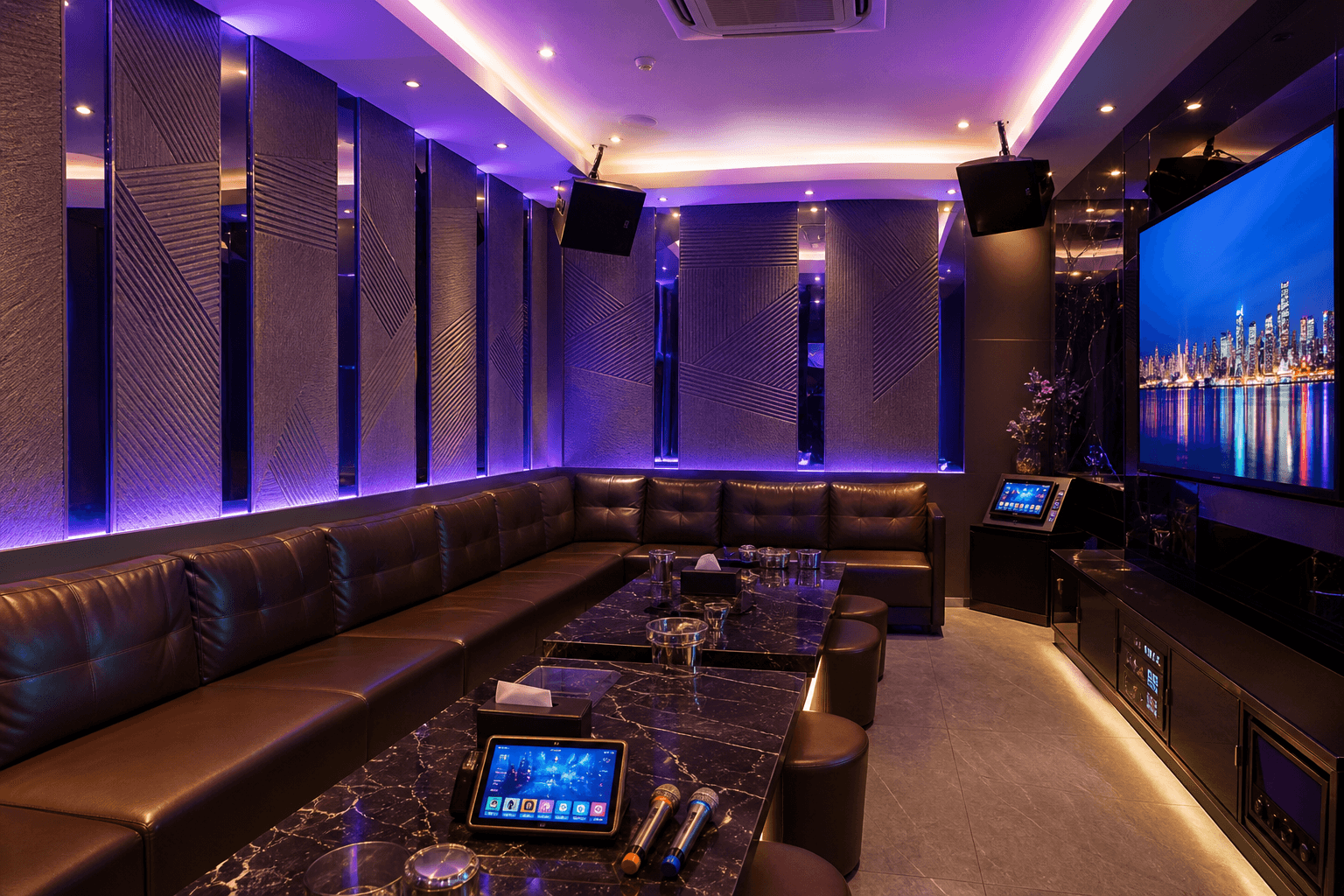
Opening a karaoke lounge or upgrading private KTV rooms is a different kind of renovation. If you are planning KTV renovation Singapore work, the project is not just about looks — acoustics, ventilation, fire safety, and AV integration determine whether the rooms actually perform for customers.
A well-planned KTV fit-out balances sound isolation, lighting atmosphere, durable finishes, and the technical infrastructure that keeps the experience running night after night.
What makes KTV renovation different
Unlike a residential renovation, KTV spaces need to contain loud sound inside each room while keeping corridors and neighbouring units quiet. Rooms also run long operating hours, so finishes must handle heavy use, spills, and frequent cleaning. Ventilation and cooling loads are higher because rooms are enclosed and occupied continuously.
The layout must support customer flow, staff access, and equipment maintenance without disrupting the experience.
Room layout and capacity planning
Start with how many rooms you need, their sizes, and the customer segments you are targeting — small private rooms, VIP suites, or open lounge areas. Each room type sets different acoustic targets, seating density, and AV specifications.
Corridor width, toilet placement, and service routes matter as much as the rooms themselves. Tight circulation creates bottlenecks during peak hours and makes maintenance harder later.
Acoustics and soundproofing
Sound leakage is the most common complaint in KTV fit-outs. Effective acoustic design combines mass (dense wall and ceiling layers), decoupling (separating surfaces so vibration does not pass through), sealing (doors, ducts, and penetrations), and absorption inside the room for comfort.
Foam panels alone will not stop sound from reaching the unit next door. For serious performance, plan acoustic construction into the walls and ceilings from the start rather than trying to fix leakage after opening.
Adex handles KTV renovation in Singapore together with studio soundproofing and office soundproofing where acoustic performance is critical.
Lighting, finishes, and atmosphere
LED feature lighting sets the mood and is often a major design element in KTV rooms. Plan lighting circuits, dimming, and maintenance access early so changes do not require hacking finished surfaces.
Wall and floor finishes should be wipeable, stain-resistant, and durable. Leather or high-grade vinyl seating, protected corners, and scuff-resistant skirting reduce replacement cycles in high-traffic rooms.
AV, electrical, and ventilation coordination
Each room needs dedicated power for screens, amplifiers, microphones, and lighting. Cable routing, equipment racks, and cooling for AV gear should be planned before carpentry closes up walls.
Ventilation and air-conditioning capacity must match enclosed room loads. Under-specified cooling makes rooms uncomfortable within the first hour of operation — a problem no amount of interior design can fix.
Compliance and approvals
Commercial entertainment venues in Singapore must meet building, fire, and licensing requirements. That typically includes fire-rated materials where required, proper egress, sprinkler or detection systems as applicable, and compliance with URA and SCDF rules for the use class.
Work with a contractor who understands commercial fit-out sequencing and can coordinate with consultants, landlords, and authorities so approvals do not stall the opening date.
What drives KTV fit-out cost
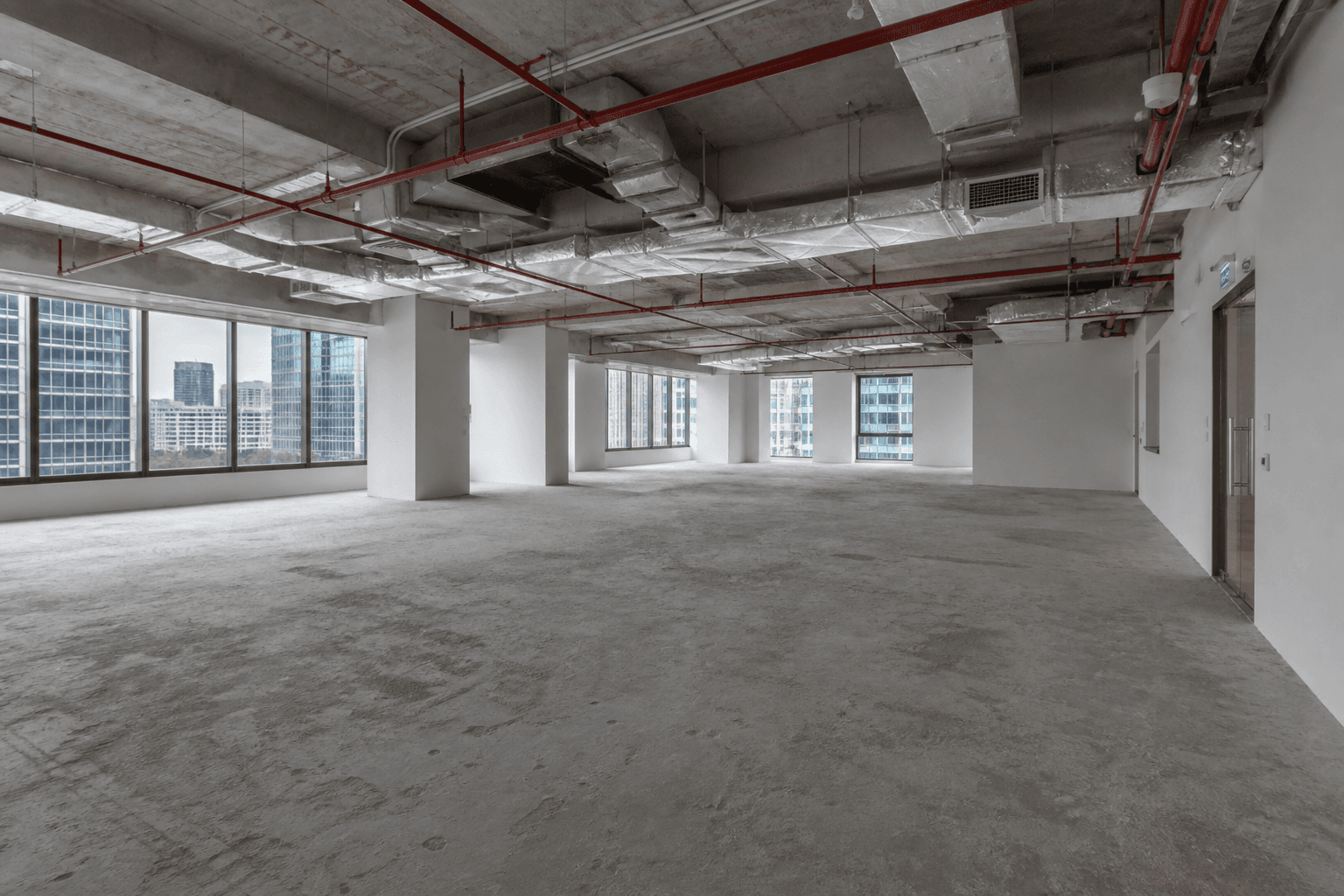
Cost depends on the number of rooms, acoustic specification, quality of finishes and lighting, AV infrastructure, and the condition of the existing space. A bare shell fit-out costs more than a refresh of an existing layout, but refreshing without fixing acoustic or M&E weaknesses often wastes money.
Getting room sizes, acoustic targets, and M&E loads defined before quoting keeps budgets realistic and reduces variation orders mid-project.
Bottom line
KTV renovation in Singapore succeeds when acoustics, layout, and technical infrastructure are planned together — not treated as afterthoughts. Define your room types and performance targets early, build sound isolation into the construction, and coordinate AV, electrical, and ventilation before finishes go in. That is how you open on time with rooms that sound and feel right for customers.
Need a contractor?
Get advice for your project
Send us your property type, photos, and preferred timeline. We'll recommend the next step and prepare a clear quotation.