When people search for landed property renovation Singapore, they often want a cost estimate. The honest answer is that landed renovation cost depends heavily on existing condition, access, authority requirements, and how much hidden work is uncovered once hacking starts.
Finishes are easy to imagine: tiles, cabinets, paint, lighting, and sanitary fittings. The cost drivers that surprise homeowners are often less visible: roof defects, drainage, waterproofing, electrical upgrading, old plumbing, structural repairs, and protection of areas that are not being renovated.
Roof and external-wall condition
Landed homes have more exposure to rain than apartments. Roof tiles, gutters, flashing, parapet walls, external cracks, and balcony waterproofing all influence renovation cost. If the property has recurring leakage, it is risky to install new ceilings, paint, and carpentry before solving the envelope.
Adex handles roof waterproofing, balcony waterproofing, and water leakage repair as part of broader renovation planning.
Services: electrical and plumbing
Older landed homes may need electrical rewiring, additional circuits, distribution board checks, new water pipes, drainage adjustments, or water pressure improvements. These items affect wall hacking, ceiling work, carpentry coordination, and final testing.
If the quote does not clearly cover electrical services and plumbing services, ask what is assumed. Service upgrades are easier to do before finishes are installed.
Hacking, disposal, and access
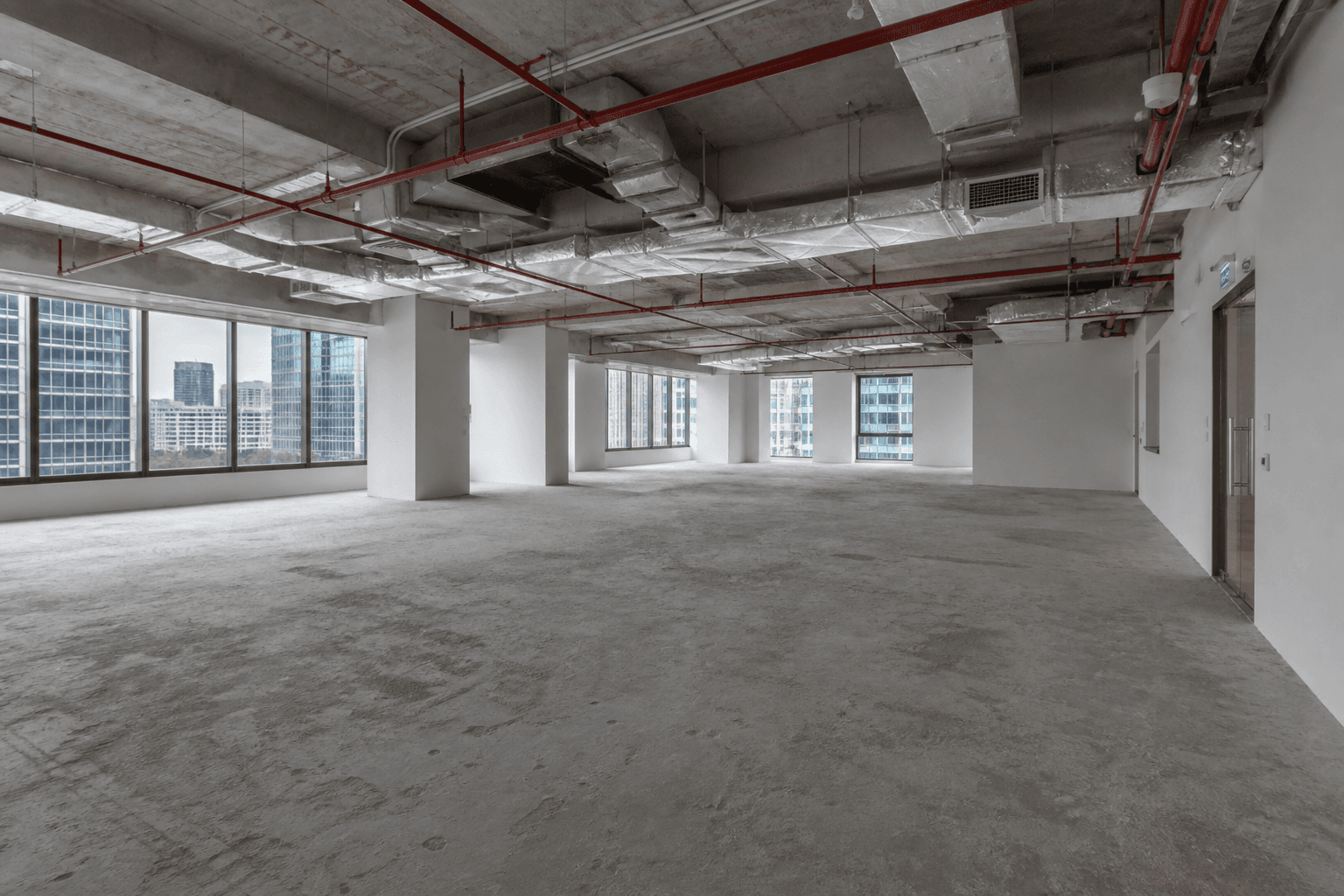
Hacking and demolition in a landed property can involve more debris, more floors, outdoor works, and tighter access. Disposal, protection, and manpower all matter. If the home has narrow access, steep stairs, existing finishes to protect, or limited parking, those conditions can affect the work method.
For larger projects, hacking and demolition should be planned with dust control, safety, and reinstatement in mind.
Defects discovered during works
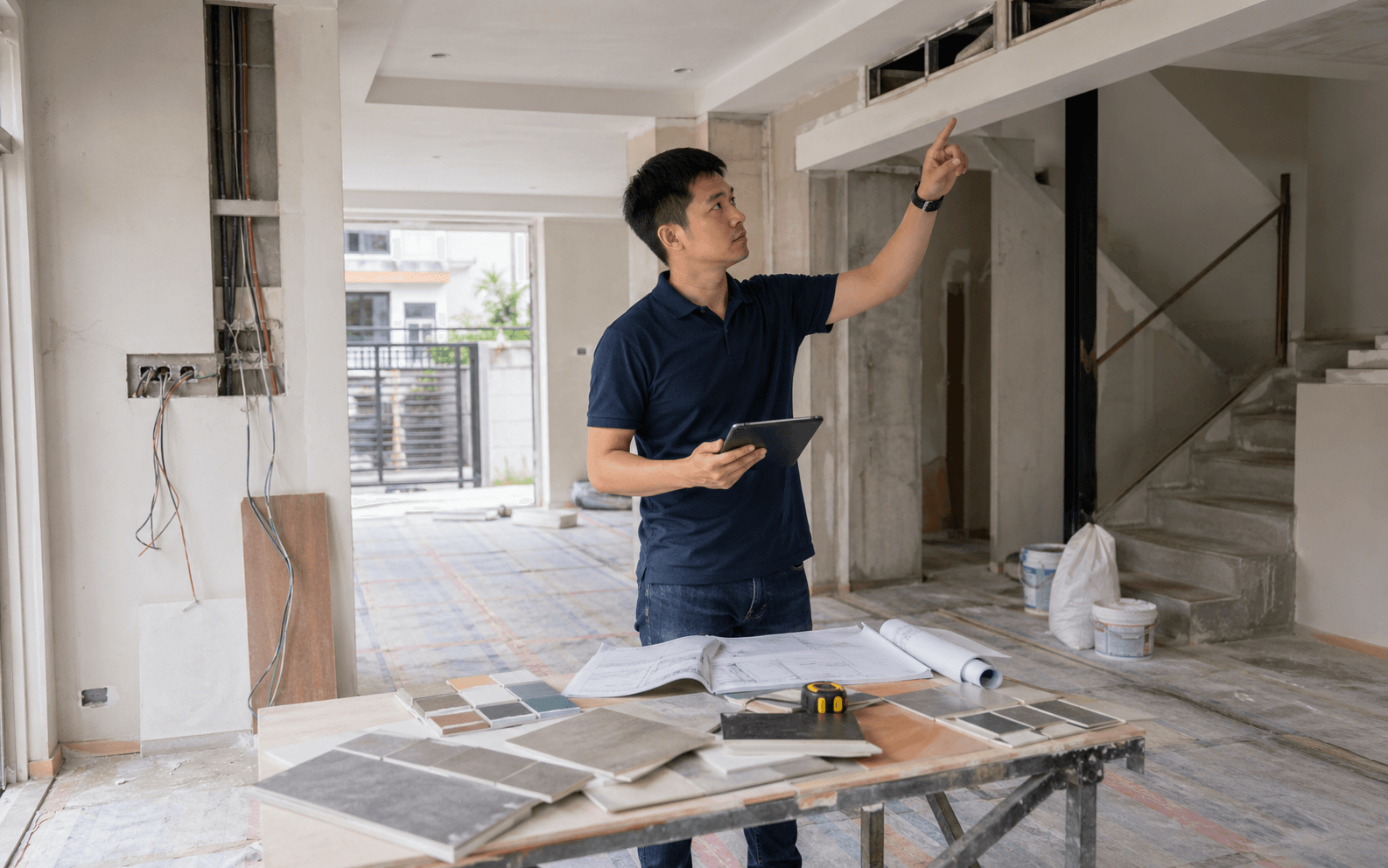
Once tiles, ceilings, or cabinets are removed, contractors may discover spalling concrete, damp walls, poor previous repairs, uneven substrates, or unsafe wiring. A realistic renovation budget should include a contingency for these conditions.
It is better to discuss likely risks before work begins than to treat every discovery as a shock. A detailed inspection can reduce surprises, even if it cannot eliminate them.
Bottom line
Landed property renovation in Singapore costs more predictably when the contractor separates visible finishes from hidden risk areas. Spend time understanding roof, waterproofing, services, access, and defects before locking the budget. That is how you avoid paying twice for beautiful finishes installed over unresolved problems.
Need a contractor?
Get advice for your project
Send us your property type, photos, and preferred timeline. We'll recommend the next step and prepare a clear quotation.