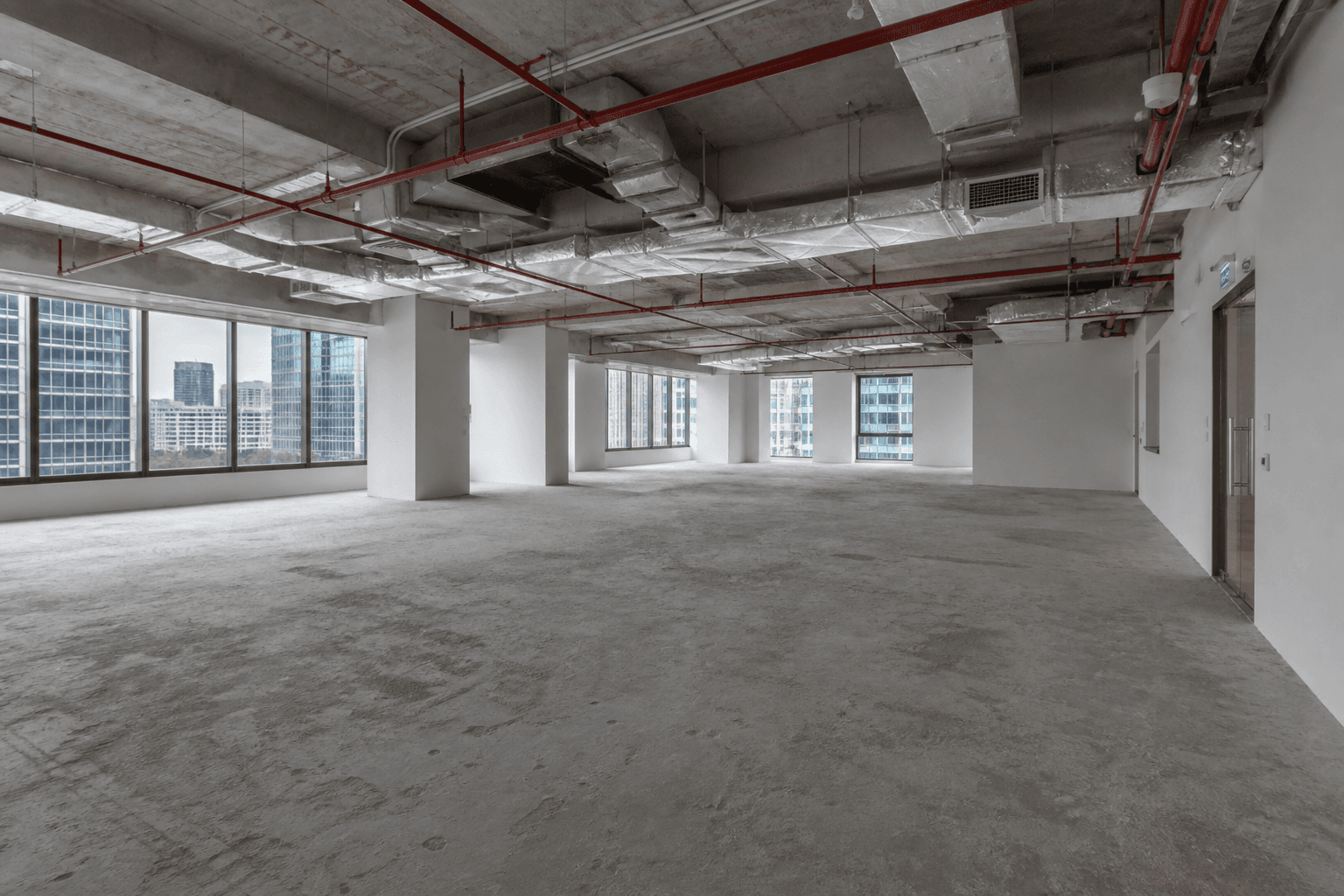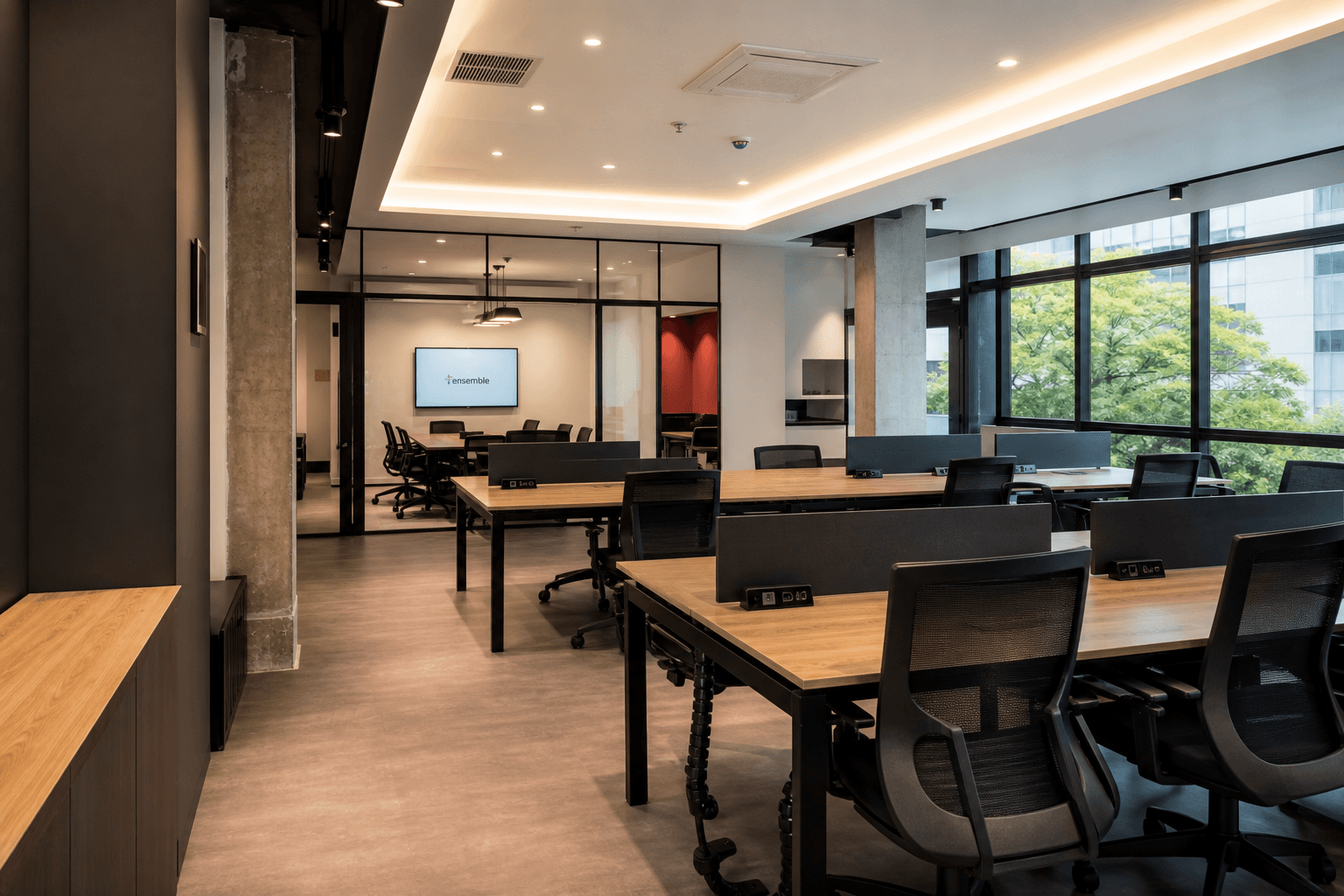
“Can we move in next month?” depends entirely on what “done” means. An office fit-out timeline Singapore estimate should cover design decisions, landlord approvals, and build — not only the days trades are on site.
Phase 1: Brief and layout (about 1–2 weeks)
Site walk, headcount, room list, finish direction, and a draft layout. This phase is short when decision-makers are available and long when every wall is debated twice.
Phase 2: Quote and landlord submissions (variable)
Itemised quotation, revisions, then drawings or forms the building requires. Some parks turn around quickly; others need multiple rounds. Start this the day after you collect keys if the lease start is tight.
Phase 3: Build (often a few weeks for small SME offices)
Partitions, electrical, ceiling, flooring, paint, pantry, and snagging. Larger glass suites, heavy M&E, or restricted access stretch this. Adex programmes office fit-out against your target move-in rather than an abstract ideal calendar.
Phase 4: Soft landing
Furniture install, IT, and cleaning need buffer after construction snags clear. Booking movers for the morning after final paint is how boxes meet wet skirting.
What usually delays projects
Late layout changes, unclear furniture scope, waiting on landlord comments, long-lead glass or carpentry, and underestimating electrical. Compare this to commercial renovation timelines when the scope is broader than a standard office.
How to protect the move-in date
Freeze the layout early, submit to the landlord early, and keep one decision-maker empowered to approve finishes without a committee. Build contingency days into the lease start plan so “day one” is productive, not chaotic.
Bottom line
Office fit-out timelines in Singapore are won in the planning and approval weeks as much as on site. Align layout, landlord process, and build buffer to your move-in date — then hold the scope steady so the calendar can hold too.
Need a contractor?
Get advice for your project
Send us your property type, photos, and preferred timeline. We'll recommend the next step and prepare a clear quotation.